
Three days of asking why: the volunteers' workshop
From 2 to 4 January 2015 the Foundation's volunteers sat down together to ask what India's villages really need, and what a karyakarta is for.
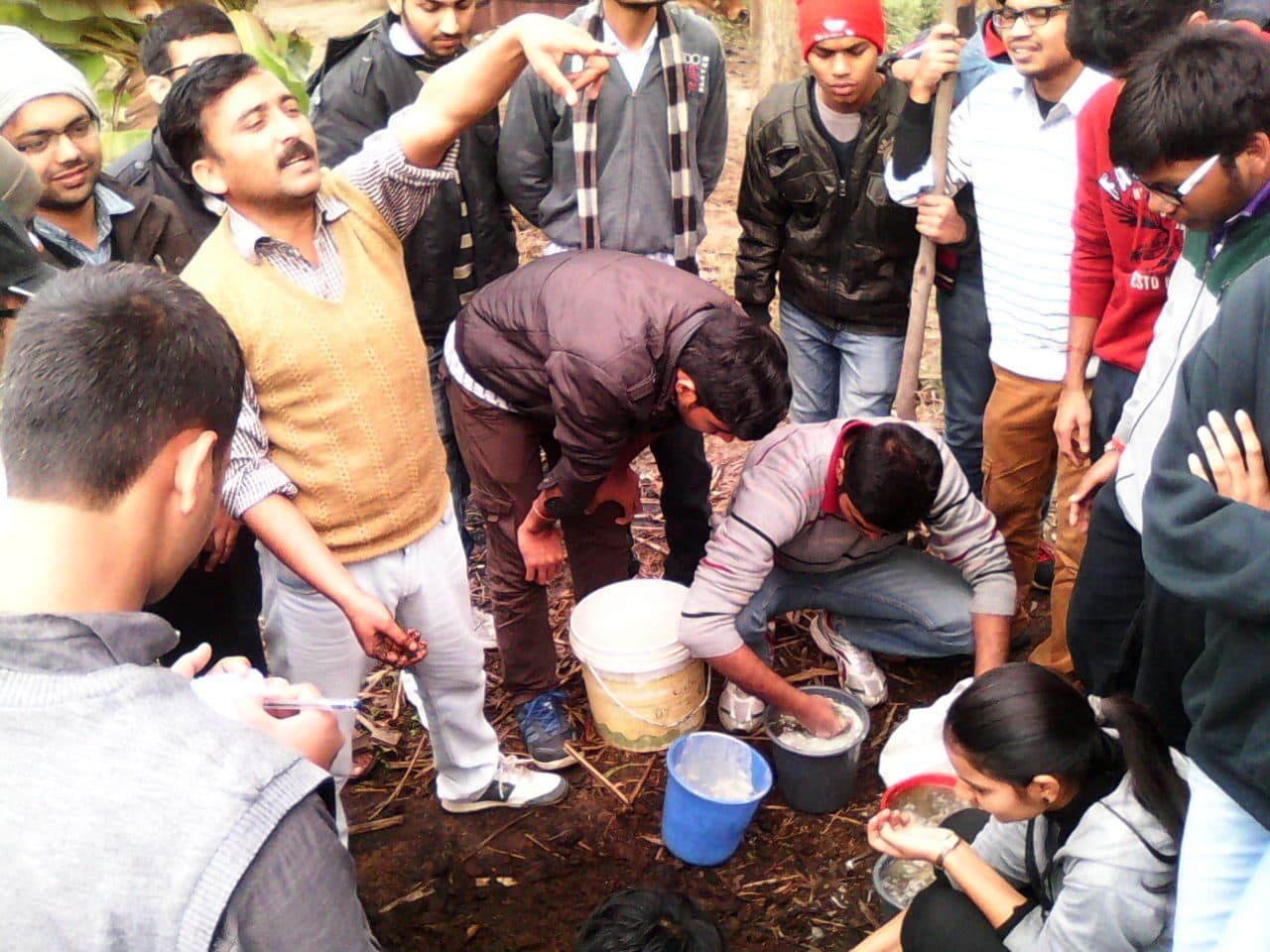
Every volunteer of the Foundation is asked to be samajhdar, zimmedar and bhagidar — to understand, to take responsibility and to take part. In the first days of January 2015 the Foundation gave them three days to do the first of these properly.
The workshop opened on the evening of 2 January with one question: why have we come? The next morning began with an introduction to the Foundation, and then a session called "the problems of India's villages — as we understand them, and as they really are". The afternoon went into causes and remedies, and then into "what should we do, why, and how?", before an evening of open discussion. On 4 January the volunteers did a practical task together and then defined, in their own words, what a karyakarta is.
The same afternoon, 4 January, children from the villages presented posters at an environment awareness programme, and five days later students of IIT Roorkee arrived for a camp in the villages. It was a busy start to the year that would turn the fruit-tree campaign into a movement.
Photos
More stories
View all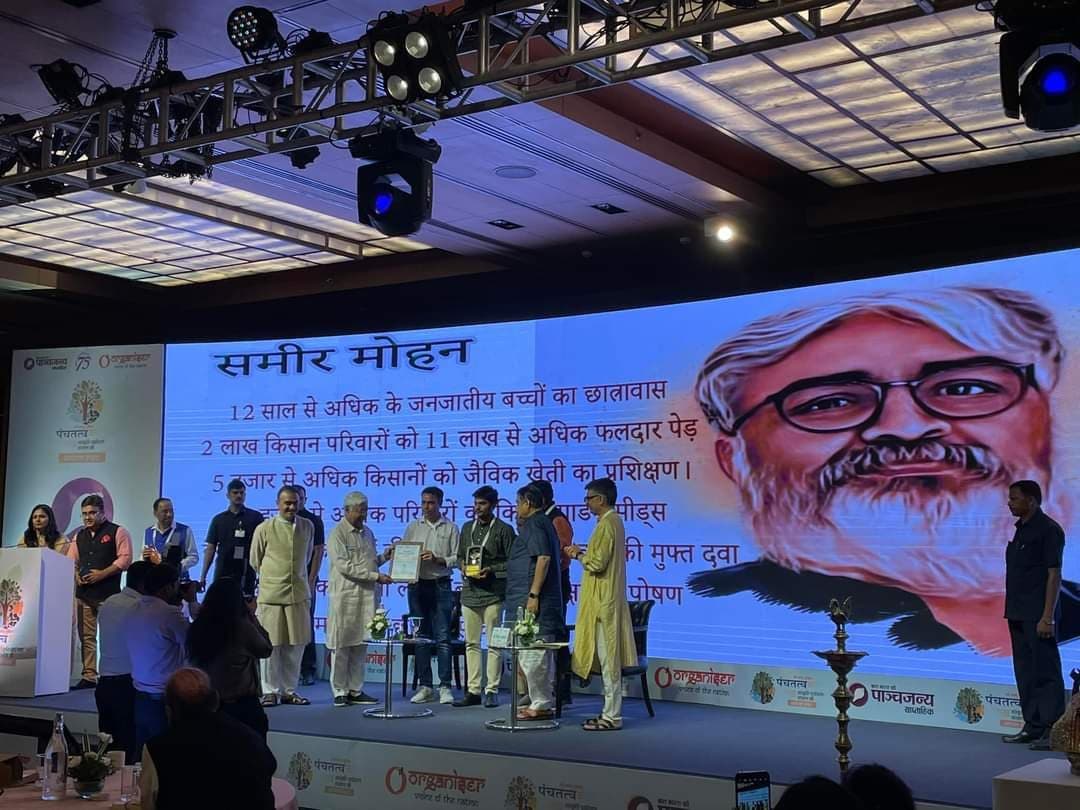
The founder who lived in a hut
Shri Sameer Mohan left home in 1987 to give his life to nation building. In 2006 he built a hut on a farm near Bareilly, and Khushhali Foundation grew from there.
Read more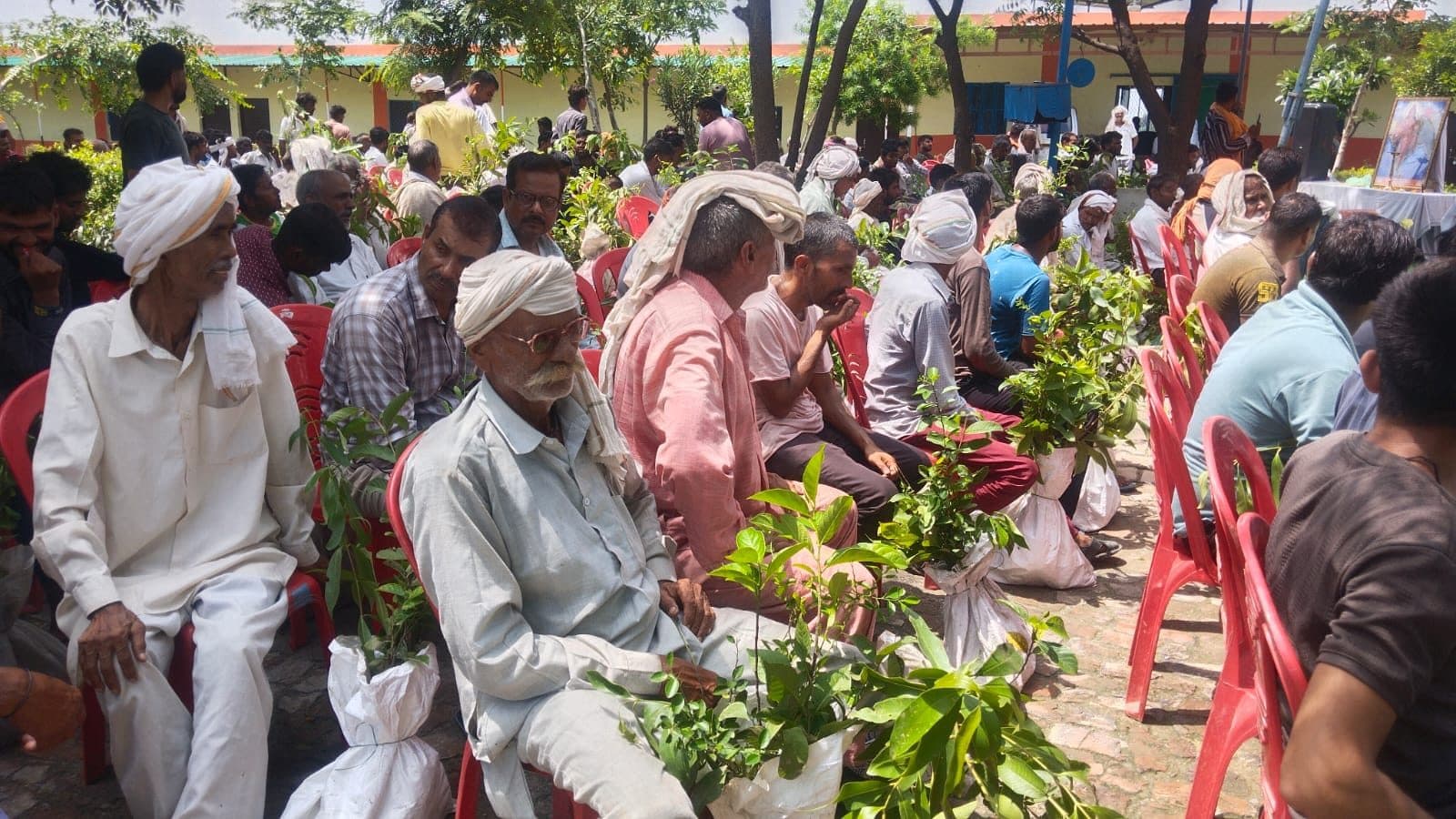
Thirteen camps and counting: the 2026 drive in Mathura
The fifteenth year of the Vriksh Mitra–Gram Mitra Abhiyan held thirteen camps between 12 July and 4 October 2026, with 4,000 fruit saplings at every one — 52,000 in all.
Read more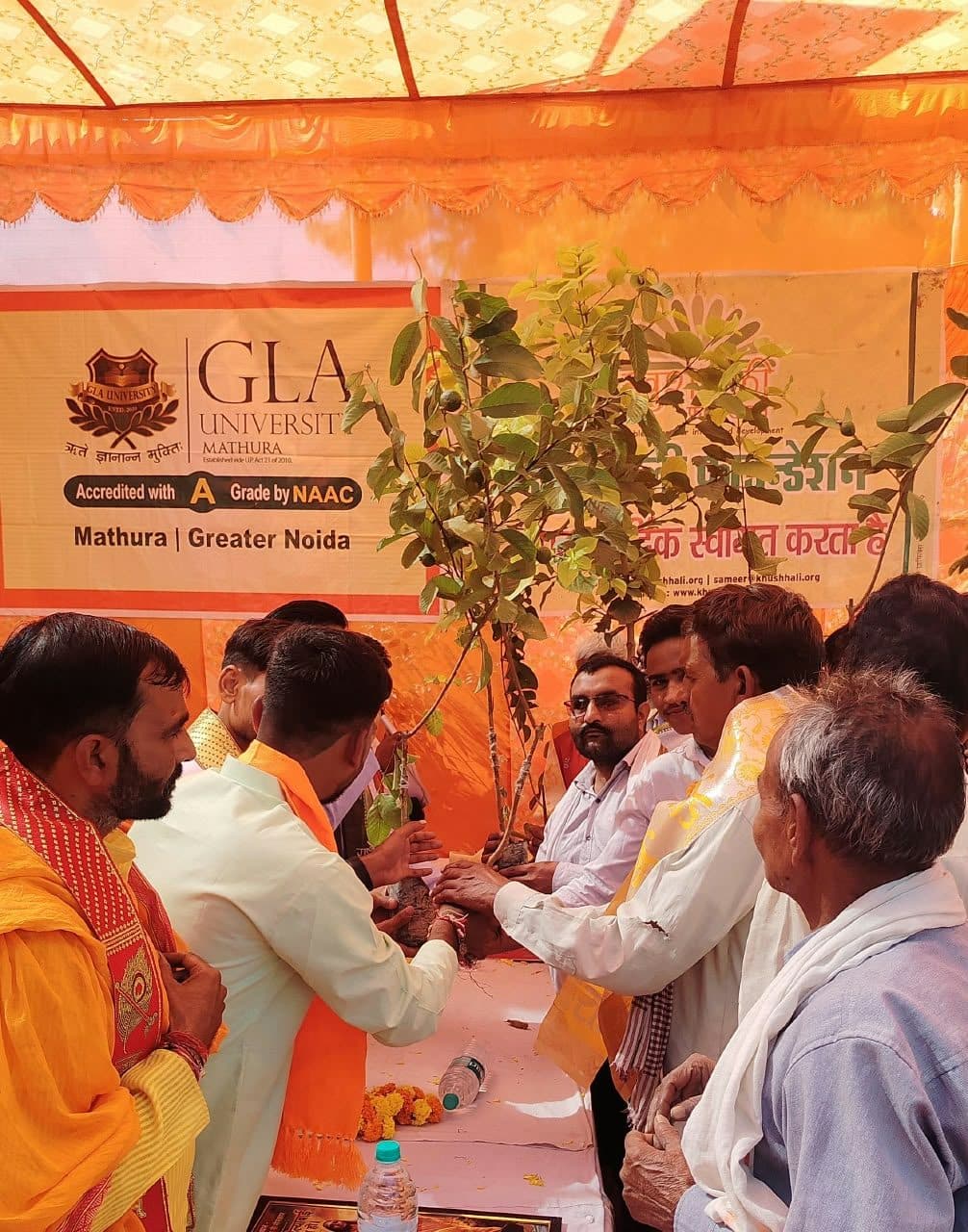
Junsuti, 4 October 2026: the thirteenth camp
Saints from Vrindavan blessed the thirteenth camp of the season at the Banke Bihari Mandir, Junsuti, where 374 farmers from 22 villages took home their saplings.
Read more